

CUSTOM OPTICAL LENS MANUFACTURING FOR IMAGING & PROJECTION APPLICATIONS
Automotive & Transportation Optical Lens Manufacturer:
Aspheric Lenses, TIR Optics & ADAS Camera Lenses
Automotive sensor lenses must withstand -40°C cold starts, 120°C engine bay temperatures, and years of UV exposure —without focal drift, yellowing, or mechanical failure. Standard optical plastics are not suitable for these conditions.We manufacture lenses that are.
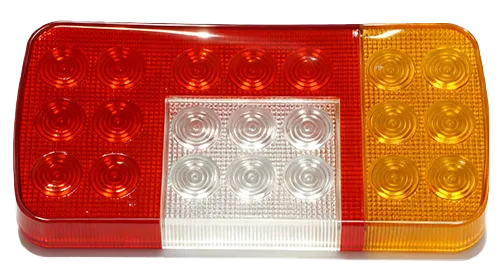
20+
Years Automotive Optics Experience
-40°C
to 120°C Operating Range
CPK≥ 1.67
Process Capability Index
5–7 Wks
Sample Lead Time
Why Automotive Sensor Lenses Demand a Higher Standard of Manufacturing
Automotive optical lenses operate in one of the most demanding environments any optical component can face: extreme temperature cycles, continuous UV exposure, road vibration, chemical splash, and a product liability framework that allows zero tolerance for field failures.
ATRMOLD manufactures automotive optical lenses using UV-stabilized PC and high-temperature PMMA grades, with process controls aligned to automotive industry quality standards. From EV headlight lenses to ADAS sensor optics and dashcam imaging components, every lens is engineered for production reliability, not just laboratory performance.
🌡️
Wide Temperature Range
UV-stabilized PC grades rated for -40°C to 120°C continuous service. Thermal cycling tested under AEC-Q100 conditions.
🎯
IATF-Aligned Quality
PPAP documentation, PFMEA, control plans, and MSA analysis available for Tier 1 and OEM qualification.
☀️
UV & Weather Resistance
UV-stabilized material grades with HC coating pass 1,000+ hour outdoor weathering tests per ISO 4892.
📐
Tight Optical Tolerances
Centration error <0.015mm and standard focal length tolerance of ±0.5%. Cpk ≥ 1.67 process capability for critical dimensions.
Automotive Optical Lens Products: Specifications at a Glance
| Product Type | Material | Temp Range | Key Spec | Wavelength | Application |
|---|---|---|---|---|---|
| EV / LED Headlight Lens | PMMA / PC | -40°C ~ 105°C | ±0.5% Focal | 400–700nm | EV & conventional headlights |
| ADAS Sensor Lens | PC (UV grade) | -40°C ~ 120°C | ≤0.015mm Centration | 850/905nm | Lane departure, collision avoidance |
| Dashcam / DVR Lens | PMMA / PC | -30°C ~ 85°C | <0.5% Distortion | 400–700nm | Driving recorder, fleet camera |
| In-Vehicle Camera Lens | PMMA / PC | -20°C ~ 85°C | Wide angle ≥120° | 400–750nm | Cabin monitoring, parking assist |
| Automotive LED Optics | PMMA / PC | -40°C ~ 105°C | Custom beam pattern | 400–700nm | DRL, signal lights, interior lighting |
| Rain / Light Sensor Lens | PC (UV stable) | -40°C ~ 105°C | ±1% Transmittance | 880nm | Automatic wiper, auto headlight |
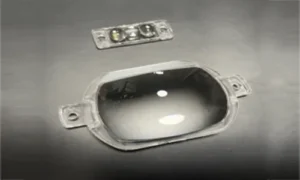
EV & LED Headlight Lens
TIR and collimating lenses for EV and conventional vehicle headlights. Custom beam pattern design, high-transmittance PMMA or UV-stable PC.
- -40°C to 105°C
- ±0.5% focal
- PMMA / PC
Applications:EV headlights · DRL · Fog lights
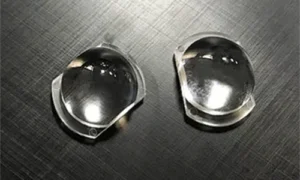
ADAS Sensor Lens
High-precision lenses for ADAS camera and radar systems. Centration error ≤0.015mm, UV-stabilized PC for exterior mounting.
- -40°C to 120°C
- ≤0.015mm centration
- PC UV grade
Applications:Lane departure · Collision warning
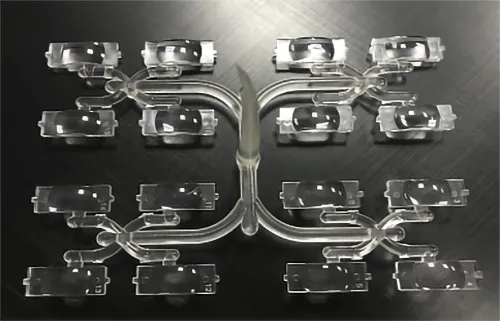
Dashcam & DVR Lens
Wide-angle imaging lenses for driving recorders and fleet management cameras. Low distortion, high scratch resistance, AR coating available.
- ≥120° field angle
- <0.5% distortion
- AR coating
Applications: Dashcam · Fleet camera · Event recorder
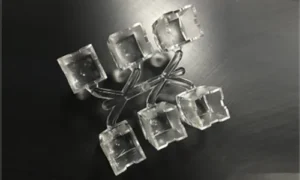
In-Vehicle Camera Lens
Compact imaging optics for driver monitoring, cabin surveillance, and parking assist systems. Wide-angle design with a compact form factor.
- Wide angle ≥120°
- PMMA / PC
- Compact design
Applications: DMS · Parking assist · Cabin monitoring
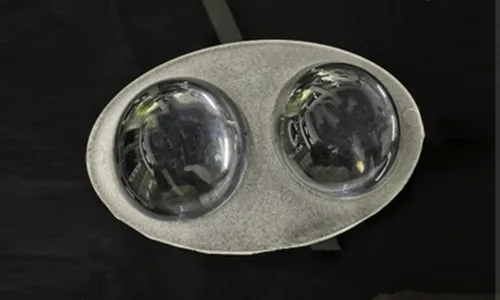
Automotive LED Signal Optics
TIR and secondary optics for automotive signal lighting. Beam patterns customized to meet FMVSS or ECE regulatory requirements.
- Custom beam pattern
- -40°C to 105°C
- High transmittance
Applications: DRL · Turn signal · Brake light
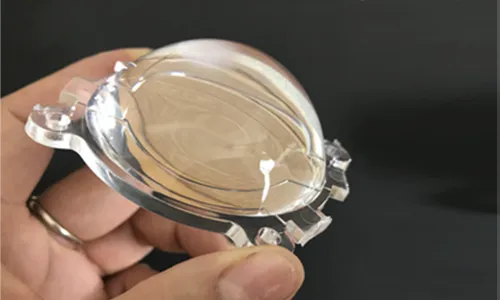
Rain & Light Sensor Lens
Precision windshield-mounted sensor lenses for automatic wiper and headlight control systems. UV-stabilized for long-term outdoor performance.
- 880nm optimized
- ±1% transmittance
- PC UV stable
Applications: Auto wiper · Auto headlight
Have a specific automotive optical requirement?
Selecting the Right Material for Automotive Optical Lenses
Interior sensors, cost-sensitive applications, <85°C?
Exterior mounting, UV exposure, or impact risk?
High-precision ADAS applications requiring low birefringence?
Not sure? Tell us your application and mounting location.
Automotive Lens Manufacturing: From Design to PPAP Approval
01
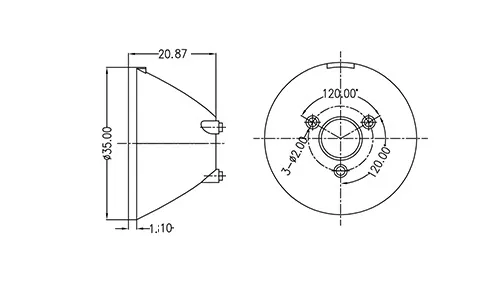
Requirements & Application Review
Submit drawings, performance specs, or application descriptions. We review mounting location, temperature exposure, and regulatory requirements within 24 hours.
Response: 24 Hours
02
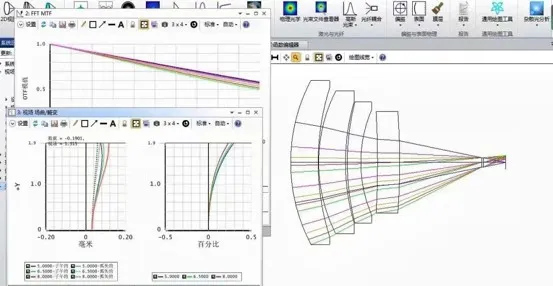
Optical Design & DFM
Ray-tracing simulation and DFM review. Material recommendations based on the operating environment. Tolerance stack-up analysis included.
Duration: 3–6 Days
03
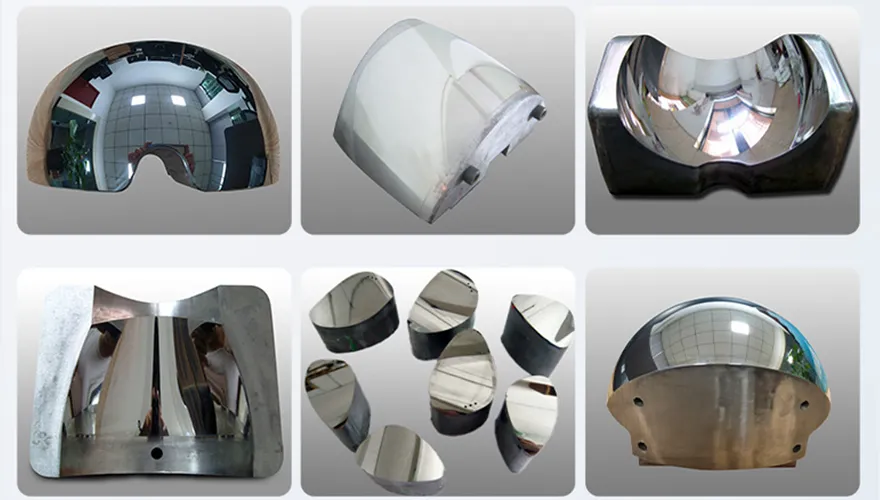
Automotive-Grade Mold Development
H13/STAVAX tool steel for high-temperature processing, built through our mold manufacturing center. Mirror-polished cavities, ±0.001mm accuracy. Hot runner system for multi-cavity consistency..
Lead time: 5–8 Weeks
04
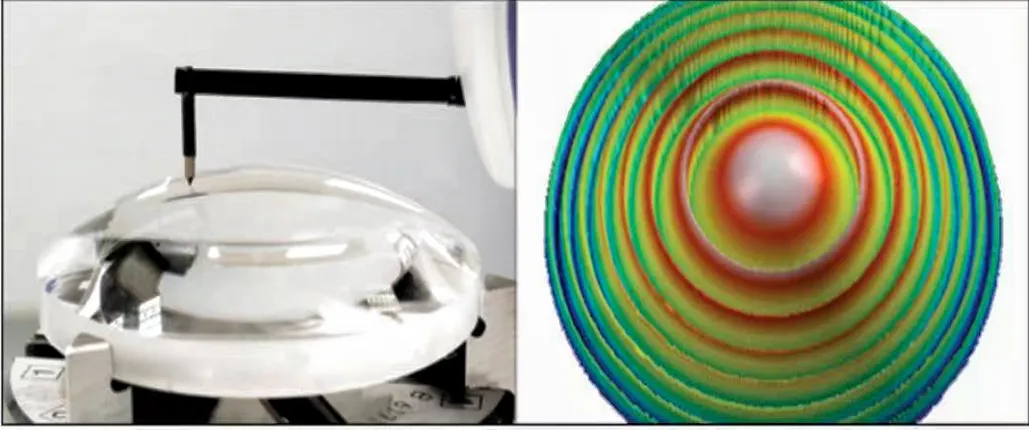
First Article & PPAP Documentation
First article inspection with full optical and dimensional reports. PPAP Level 3 documentation available: control plan, PFMEA, MSA, and SPC data.
200–500 Pieces
05
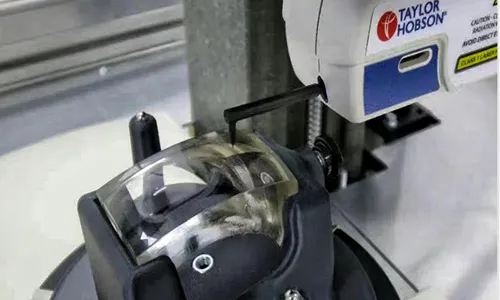
Environmental Validation
Thermal cycling (-40°C to 120°C), UV aging (ISO 4892), and vibration testing available. Supports customer-specific AEC-Q100 or internal validation protocols.
Per test plan
06
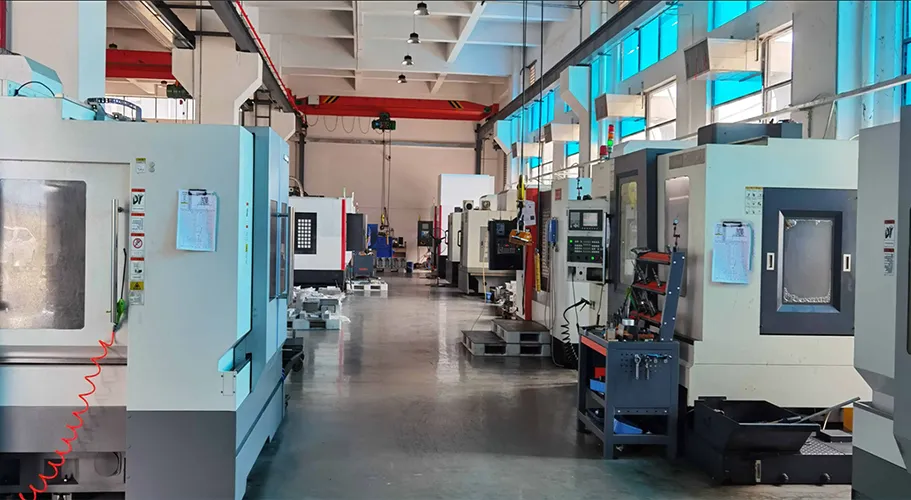
Validated process parameters, SPC monitoring, and batch optical inspection. Global delivery to automotive Tier 1 suppliers in Europe, North America, and Asia.
Production: 2–3 Weeks
Automotive Optical Lens Manufacturing You Can Trust
📊
SPC-Monitored Production
Critical dimensions tracked by Statistical Process Control on every production run.Cpk ≥1.33 required before mass production sign-off.
🏆
ISO 9001:2015 Certified
Quality management covering mold design, injection molding, optical inspection, and delivery traceability.
✅
RoHS & REACH Compliant
All materials comply with applicable EU automotive regulations. Full material traceability and compliance documentation.
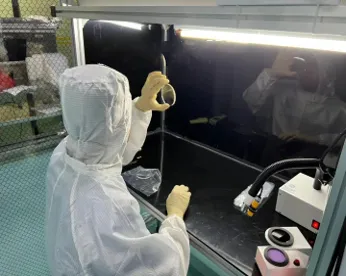
Automotive-Grade Production Controls
- H13/STAVAX mold steel for high-temperature PC processing
- All-electric injection molding machines (Sumitomo/FANUC)
- Barrel temperature control: ±1°C
- Cpk ≥ 1.67 on critical optical dimensions
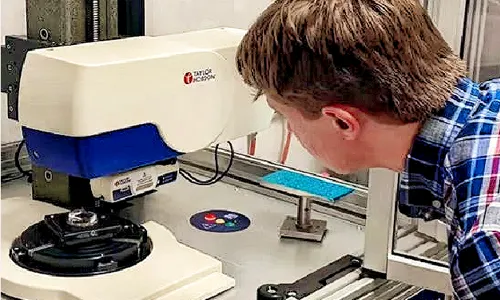
Optical & Dimensional Inspection
- Zeiss CMM: dimensional accuracy ±0.0003mm
- Focal length bench: ±0.2% measurement accuracy
- UV-Vis spectrophotometer transmittance testing per wavelength
- 100% visual inspection + AQL optical sampling
Free material selection consultation included with every engineering review. Read: PMMA vs PC vs COP Material Guide →
Automotive Optical Lenses Across Vehicle Systems
EV & Conventional Headlights
TIR and secondary lenses for LED headlight modules. Beam pattern optimization for regulatory compliance (ECE R112, FMVSS 108).
ADAS & Safety Systems
Camera and sensor lenses for lane departure warning, automatic emergency braking, blind-spot detection, and cross-traffic alert.
Dashcam & Fleet Recording
Wide-angle imaging lenses for consumer dashcams and commercial fleet management applications. Low distortion, high image clarity.
Commercial Vehicle Optics
Durable optical components for buses, trucks, and construction equipment. Enhanced UV and chemical resistance for heavy-duty environments.
Electric Vehicle Systems
Lightweight PMMA optics for EV-specific lighting design. Lens components for battery thermal management areas and other high-temperature applications.
Motorsport & Performance
High-performance optical components for motorsport data acquisition cameras and telemetry systems.
Related Services & Products
Start Your Automotive Lens Project
From concept to PPAP-ready production — our engineering team supports automotive optical projects at every stage. No minimum commitment to begin.
Send Your Drawing or Spec
2D drawing, 3D CAD, or sample part. Free DFM review and quote within 24 hours.
Describe Your Application
Tell us mounting location, temp range, wavelength, and volume. We’ll recommend the most suitable material and design approach.
WhatsApp Direct
Quick technical questions, feasibility evaluations, or sample requests—contact our engineering team directly.
✓
Free DFM Review
✓
Quote Within 24 Hours
✓
PPAP Documentation Available